
Few things are more frustrating than equipment that won’t start when you need it most. The first snowfall hits and your snow blower won’t fire. Spring arrives and your lawn mower refuses to run without the choke — or at all.
At Garneau Tool, carburetor issues are by far the most common small engine problem we service. In most cases, the issue isn’t a defective machine — it’s fuel-related, storage-related, or maintenance-related.
This article explains why small engine carburetors fail, how fuel condition plays the biggest role, and what you can do — or have us do — to prevent repeat problems.
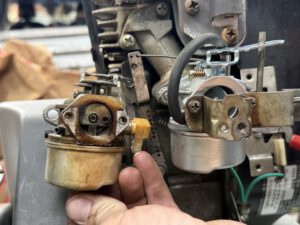
What the Carburetor Does (and Why It’s So Vulnerable)
A carburetor mixes fuel and air in precise amounts before delivering it to the engine. To do this, it relies on:
-
Extremely small fuel passages
-
Precision jets
-
Floats, needles, and seals
These passages are tiny — much smaller than anything found in automotive fuel systems. As a result, even minor contamination or fuel residue can cause major problems.
When a carburetor becomes restricted, symptoms often include:
-
Hard starting or no start
-
Only running on choke
-
Surging, stalling, or dying under load
Why Does My Carburetor Need Service Every Year?
This is the number one question we hear, and the answer is almost always the same:
1. Modern Gasoline Breaks Down Quickly
Gasoline begins degrading in as little as 30 days. As fuel ages, it:
-
Loses volatility (harder to ignite)
-
Absorbs moisture (especially ethanol blends)
-
Leaves varnish and sticky residue as it evaporates
When fuel sits inside a carburetor bowl during storage, residue hardens inside jets and passages — preventing proper fuel flow.
👉 This is why Garneau Tool offers seasonal service visits: servicing equipment before storage prevents fuel from sitting inside the carb and causing damage.
2. Seasonal Equipment Sits Idle for Long Periods
Snow blowers and lawn mowers are used intensely for part of the year, then left unused for months. During this downtime:
-
Fuel sits in the carb bowl
-
Temperature swings create condensation
-
No fuel circulation occurs to flush contaminants
Even equipment that “ran perfectly last season” can fail simply from sitting.
👉 Our automatic seasonal service plans are designed specifically to prevent this problem.
3. Fuel Contamination Starts Outside the Engine
Many carburetor failures begin long before fuel reaches the carb. Common sources include:
-
Dirty or aging gas cans
-
Moisture entering partially filled containers
-
Debris from funnels or open refueling
-
Breakdown of plastic fuel containers over time
Once contamination enters the fuel tank, it eventually reaches the carburetor.
👉 During carb service, Garneau Tool can recondition fuel tanks to reduce repeat contamination after repairs.
Should I Use Fuel Additives or Stabilizers?
This is one area where Garneau Tool takes a clear stance.
We do not recommend fuel additives or stabilizers.
While additives are heavily marketed, we believe fresh fuel is far more effective than treated fuel.
Our Recommendation Instead
-
Use only fresh gasoline
-
Avoid storing fuel long-term
-
Cycle fuel regularly
A simple rule we recommend:
If fuel has been sitting in your gas can longer than 3–4 weeks, pour it into your vehicle and refill the can with fresh fuel.
For 2-stroke equipment, use only fresh gas mixed with oil at the correct ratio. No additional additives are needed.
👉 If managing fuel freshness is inconvenient, our seasonal service plans remove the guesswork entirely.
Draining the Carburetor for Long Periods of Non-Use
One of the most effective — and overlooked — ways to prevent carburetor problems is draining the carburetor before long storage.
When equipment will sit unused:
-
Fuel evaporates inside the carb bowl
-
Residue hardens
-
Floats and needles can stick
Draining the carburetor prevents this.
This can be done by:
-
Running the engine until it shuts off from lack of fuel
-
Using a carb drain screw (if equipped)
👉 During professional seasonal storage prep, Garneau Tool ensures the carburetor is properly drained and inspected, reducing startup issues next season.
Carburetor Servicing vs. Carburetor Replacement — What’s the Right Choice?
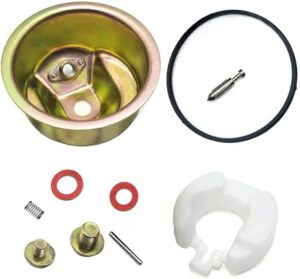
Another very common question we receive is:
“Can my carburetor be cleaned, or does it need to be replaced?”
At Garneau Tool, we always aim to repair and revive carburetors when possible, but we are upfront when replacement is the better option.
Your technician will assess the condition of your carburetor and recommend the best solution for your specific equipment.
When Carburetor Servicing Makes Sense
If the carburetor:
-
Has fuel varnish or residue
-
Has minor blockages
-
Is not severely corroded or damaged
We typically recommend servicing.
Our carburetor servicing process may include:
-
Ultrasonic cleaning to remove internal residue
-
Replacement of gaskets and seals
-
Replacement of worn components such as floats or needles
-
Full reassembly and adjustment
This approach often restores older carburetors to reliable operation.
When Carburetor Replacement Is the Better Option
Sometimes replacement is unavoidable — especially when a carburetor has been severely neglected.
Replacement is usually recommended when:
-
Internal passages are corroded
-
Plastic components have degraded
-
Repeated contamination has caused irreversible damage
-
Prior improper repairs have compromised the carb
In these cases, replacement followed by getting the machine onto a proper service schedule is often the most reliable and cost-effective long-term solution.
Carburetor Cost Transparency
Most replacement carburetors cost between $45–$95, with rare exceptions depending on the machine.
Your Garneau Tool technician will always:
-
Explain the condition of your carb
-
Outline repair vs replacement options
-
Let you decide how to proceed
No surprises, no unnecessary upsells.
Keeping Gas Cans Clean and Fuel Fresh
Clean fuel starts with clean containers.
Best practices include:
-
Using dedicated gas cans for small engines
-
Keeping cans sealed tightly
-
Storing fuel in dry, temperature-stable areas
-
Avoiding old or contaminated funnels
-
Replacing severely contaminated cans
👉 During service visits, we can help identify whether fuel contamination is coming from your storage setup.
How to Make Sure Your Equipment Works When You Need It
Reliable equipment isn’t luck — it’s preparation.
The best time to service equipment is:
-
Before storage, not after failure
Proper seasonal prep includes:
-
Carb draining or inspection
-
Fuel system checks
-
Tank reconditioning if needed
-
Spark plug and air filter inspection
👉 Our automatic seasonal service plans are designed to handle all of this for you.
Garneau Tool Mobile Service & Service Plans
We offer mobile small engine service, bringing professional maintenance directly to you when possible.
Service Options
On-Call Service
-
Call us when equipment won’t start or isn’t running properly
Seasonal Automatic Service Plans
-
Once-per-season visits for:
-
Lawn mower service & storage prep
-
Snow blower service & storage prep
-
One-Time Service Visits
-
Tune-ups, diagnostics, carb service, or pre-season checks
These plans are built to prevent carburetor failures, not just fix them.
Support for DIY Equipment Owners
Prefer to work on your own equipment? We still support you.
Garneau Tool can:
-
Identify correct replacement parts
-
Order carburetors, gaskets, fuel lines, and filters
-
Provide guidance for responsible DIY maintenance
And when a repair becomes more complex, we’re ready to help.
Final Thoughts
Carburetor problems are not bad luck.
They are caused by:
-
Fuel aging
-
Contamination
-
Long periods of non-use
-
Lack of seasonal preparation
Fresh fuel, clean containers, carb draining, and proper service schedules make the difference between equipment that sits — and equipment that starts.
Whether you want full-service seasonal care, on-call repairs, or DIY parts support, Garneau Tool is here to keep your equipment ready when you need it — not after it’s already failed.